
Coworking trends 2026 will transform flexible workspaces with AI operations, super-hubs, and wellness-first design as hybrid work matures and technology accelerates.red workspaces.
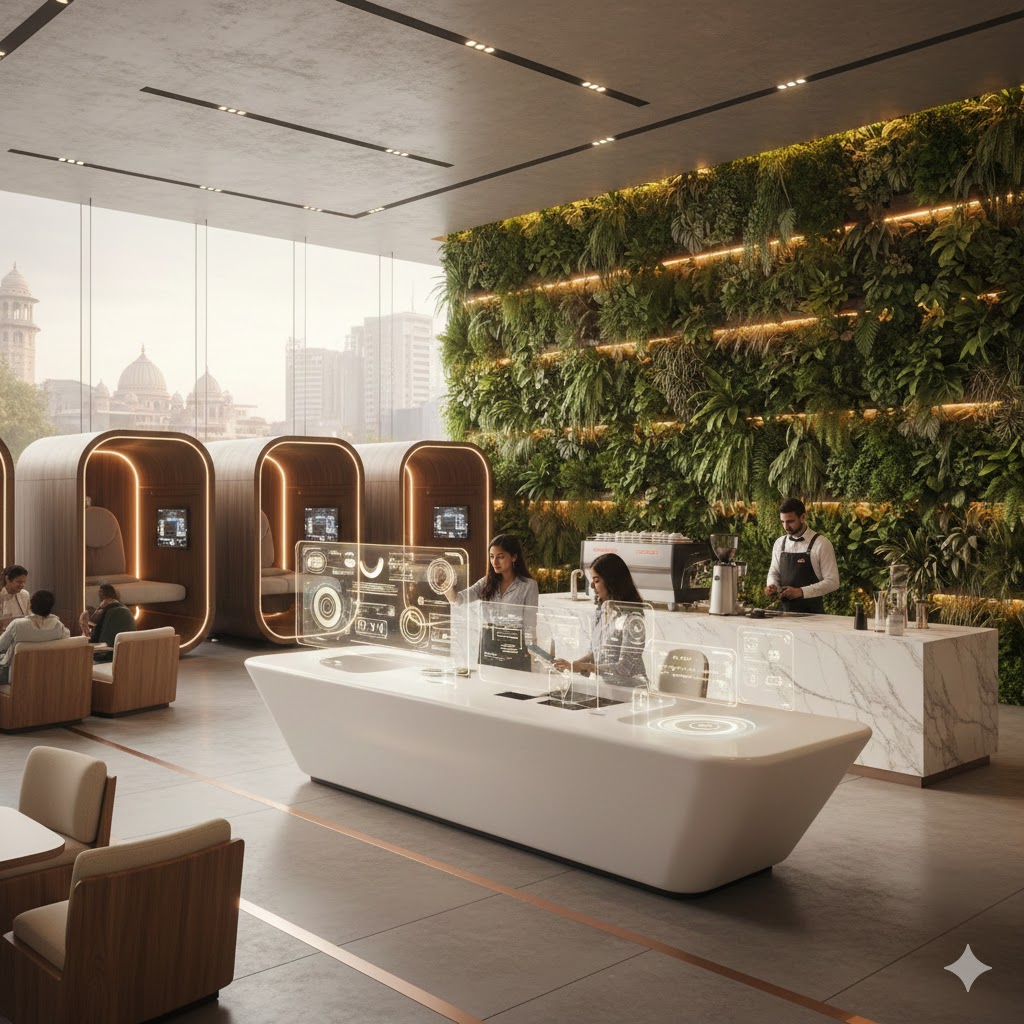
Coworking Trends 2026: Super-Hubs and Networks-Collaboration Networks
Individual coworking spaces will stop competing and start collaborating to create “super hubs” that combine the best of multiple operators. Coworking trends 2026 feature ‘super-hubs’ combining coworking + cafes + maker spaces + event venues under one roof, where members get seamless access across specialized locations.
This trend solves the “one size fits none” problem by letting freelancers find creative studios, startups access accelerators, and corporates book private suites all through one membership.
AI Takes Over Operations, Humans Focus on Community
AI agents will handle booking, scheduling, space optimization, billing disputes, and even basic member onboarding, freeing staff to build relationships instead of fighting software. Smart sensors track real-time occupancy, predict peak hours, and auto-adjust lighting/HVAC for energy savings.
Members benefit from frictionless experiences: instant hot desk availability, personalized space recommendations, and predictive maintenance that prevents downtime.
“Hospitality-first wins: Members stay for the experience, not the lease.”
Hospitality-First Model Replaces Real Estate Mindset
Coworking operators will adopt luxury hotel standards: barista trained baristas, concierge services, weekly deep cleaning, and mood-based lighting/ambiance. Retention jumps when members feel pampered rather than like office tenants.
This shift attracts premium corporate clients who want white glove service for their teams without owning buildings.
Wellness Evolves into Bio-Intelligent Design
Beyond ping-pong tables, 2026 spaces will use circadian lighting, biophilic walls, air purification matching hospital standards, and acoustic engineering for perfect sound balance. Nap pods become “90-minute recovery suites” with sleep-tracking tech.
Data shows these environments boost cognitive performance 20-30%, making wellness a productivity investment, not a perk.
Polarization: Big Scale vs Niche Communities
The market splits into two winners: massive operators dominating cities with 1000+ seats, or hyper niche spaces (crypto founders, fashion designers, wellness coaches) building cult like communities. Middle-ground generic spaces struggle most.
Your Pune location can thrive by specializing in Maharashtra startups, regional SMEs, or creative agencies rather than competing with generic chains.
Flexible Memberships Go Credit-Based
Fixed monthly fees disappear. Members buy credits usable across hot desks, meeting rooms, events, or even partner services (printing, legal consults). Usage analytics let spaces offer personalized “top-up” plans before credits run low.
This model perfectly suits India’s variable-income freelancers and scaling startups.
Corporates Drive 60%+ of Revenue Growth
SMEs and Fortune 500 companies will account for most new memberships as they replace owned offices with managed flex space. Expect demand for private floors, branded lounges, and secure VLANs alongside community access for junior staff.
Tier-2 cities like Pimpri Chinchwad become corporate “near home” hubs for Mumbai/Pune commuters.