
Modern professionals do not just look for a desk and Wi‑Fi; they want a place where they feel supported, inspired, and connected. Coworking spaces have become powerful ecosystems that nurture both community and well-being, helping people enjoy work instead of just enduring it.
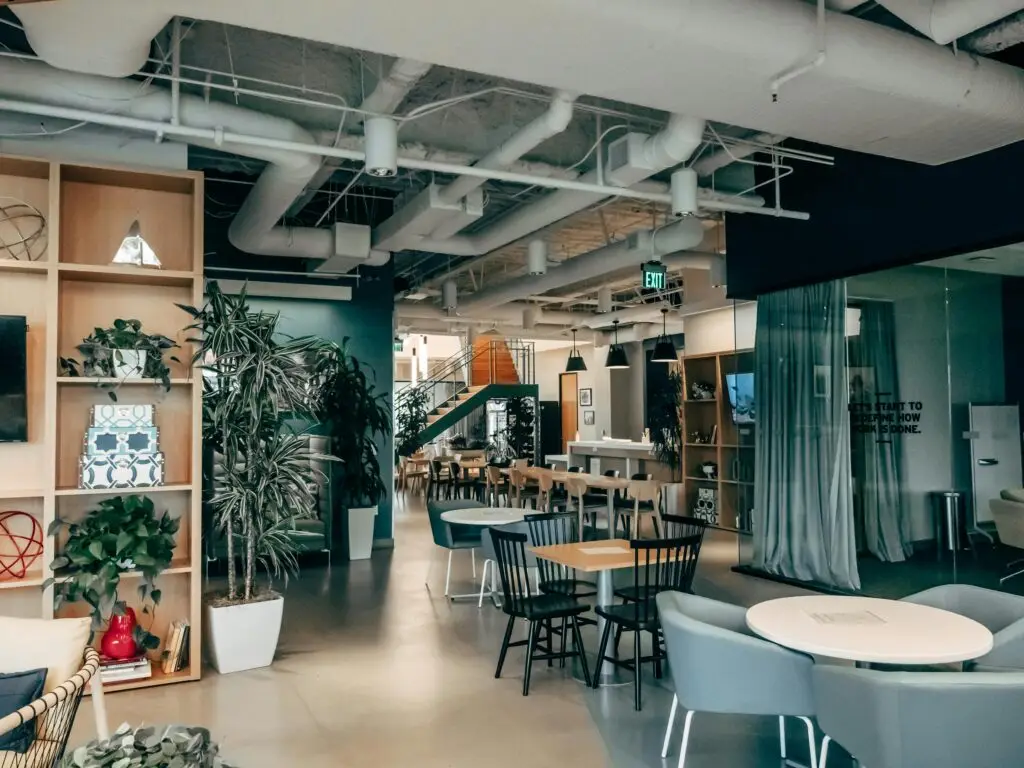
More Than Desks: A Sense of Belonging
A good coworking space is designed to reduce the isolation that freelancers, remote workers, and small teams often face. Casual conversations in the lounge, shared coffee breaks, and regular events make it easy to meet new people without forced networking. Over time, these small interactions grow into a sense of belonging, where members know each other by name and feel comfortable asking for help or feedback.
For business owners and entrepreneurs, this community becomes an organic support system. Members share recommendations, contacts, and even collaborate on projects, turning the workspace into a living network. Instead of working alone at home, people feel that they are part of a tribe that understands their challenges and celebrates their wins.
Events That Inspire Learning and Connection
Community does not happen by accident; it is intentionally built through activities that bring people together. Many coworking spaces host skill sharing sessions, business talks, startup meetups, and even casual game nights or movie evenings. These events help members grow professionally while also relaxing and having fun.
Workshops on topics like marketing, finance, personal branding, or productivity give members a chance to learn from each other. At the same time, informal events such as potluck lunches or festive celebrations help break the ice between new and existing members. This combination of learning and socializing keeps the space energetic and engaging.
“When work stops feeling lonely, creativity and confidence grow naturally—and that is the real power of coworking.”
Well-Being at the Heart of Design
Healthy members are productive members, so modern coworking spaces increasingly focus on well-being. Thoughtful interior design with natural light, plants, comfortable seating, and quiet zones helps reduce stress and fatigue. Ergonomic chairs, spacious desks, and clean, organized common areas create a calm environment where people can focus.
Some spaces also introduce wellness-focused features such as meditation corners, standing desks, or short stretching sessions during long workdays. The goal is to support the whole person mind and body not just provide a place to sit and work. When people feel better physically and mentally, their creativity and performance improve naturally.
Support for Work-Life Balance
Coworking spaces make it easier to separate work from personal life, especially for those who previously worked from home. Having a dedicated place to “go to work” helps members switch into a productive mindset, and leaving the space at the end of the day signals that it is time to rest. This clear boundary is important for avoiding burnout.
Flexible timings and membership options also support different lifestyles. Early birds, night owls, parents managing family schedules, and students preparing for exams can choose plans that fit their routine. This flexibility respects individual needs while still giving everyone access to a professional environment.
Community as a Growth Engine
When people feel supported and connected, they are more confident to take risks, try new ideas, and grow their businesses or careers. In a strong coworking community, members often become each other’s first clients, testers, mentors, and cheerleaders. Collaboration opportunities arise naturally someone might find a designer, marketer, developer, or accountant just a few desks away.